
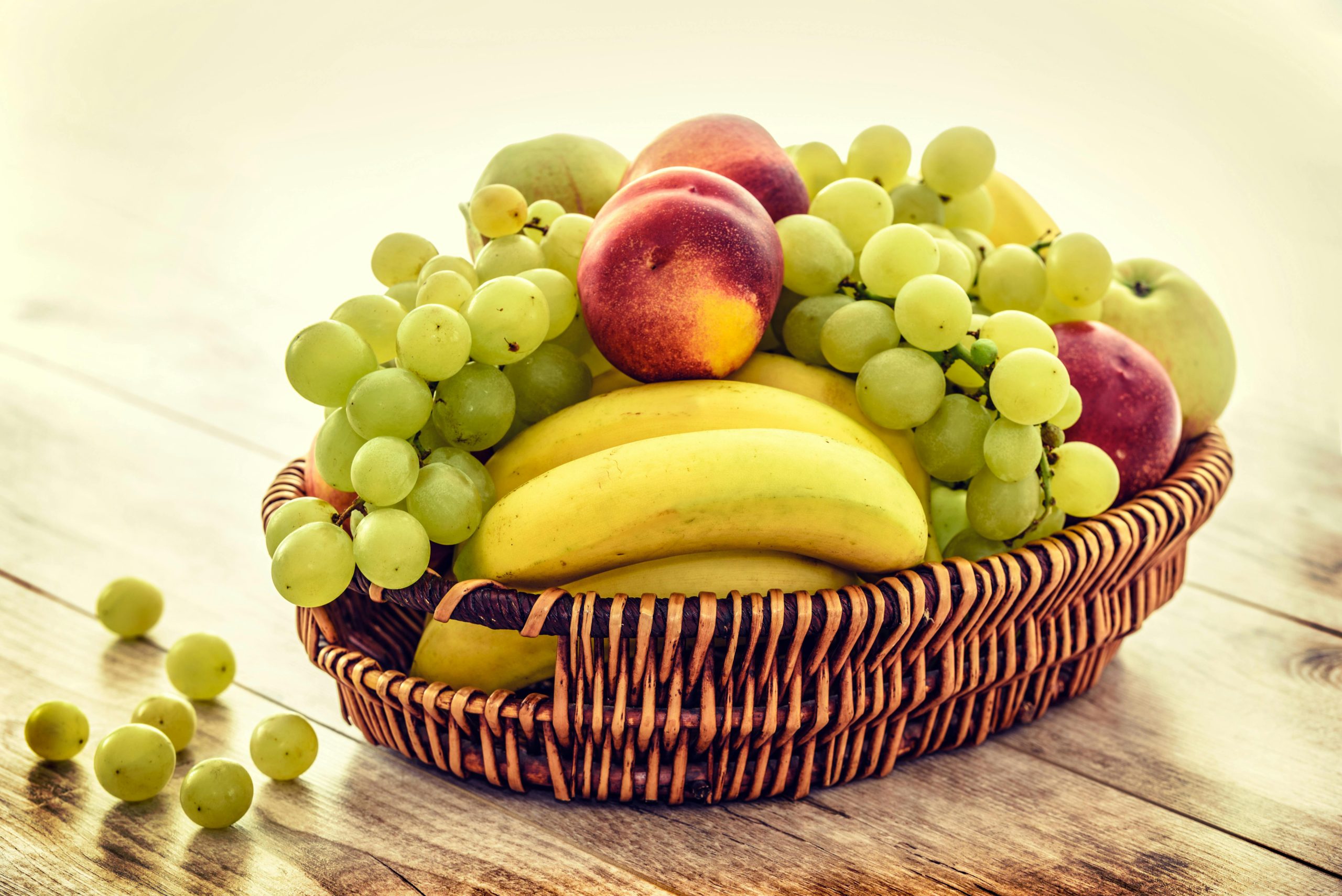
In the realm of health management, diabetes stands as one of the most common and challenging conditions of our time. It’s not merely a disease — it’s a lifestyle journey that demands conscious choices, especially when it comes to our diet. Among all dietary factors, fruits often create confusion — should we avoid them, limit them, or enjoy them freely?
The truth lies in understanding how fruits affect blood sugar levels, primarily through a concept called the Glycemic Index (GI).
Understanding the Glycemic Index (GI)
The glycemic index is a numerical scale that measures how quickly a particular food raises your blood sugar (glucose) levels.
- High GI foods (70 or above) cause a rapid spike in blood sugar.
- Medium GI foods (56–69) cause a moderate rise.
- Low GI foods (55 or below) cause a slow, steady increase.
For individuals with diabetes, this information is vital. Foods with a high GI can lead to sudden sugar spikes, fatigue, and long-term complications. In contrast, low-GI foods provide a slow, sustained energy release, helping maintain stable blood sugar levels.
This doesn’t mean high-GI foods should be completely banned — it simply means moderation and pairing are key. When you know how each fruit affects your glucose levels, you gain control over your diet rather than letting it control you.
Fruits with a High Glycemic Index (Eat in Moderation)
Some fruits, although natural and healthy, have a higher glycemic index and can cause quicker rises in blood sugar. Let’s look at these fruits closely:
| Fruit | Glycemic Index (GI) | Reason to Avoid/Moderate |
|---|---|---|
| Watermelon | 72 | High GI; causes rapid blood sugar spikes |
| Pineapple | 66 | Moderate to high GI; impacts blood sugar significantly |
| Banana (ripe) | 51–62 | GI rises as fruit ripens; leads to quicker glucose release |
| Mango | 51 | High natural sugar content |
| Grapes | 49–59 | Moderate GI; high in natural fructose |
| Lychee | 50 | High sugar; can quickly raise blood sugar |
| Dates | 42–55 | High sugar concentration even in small portions |
| Papaya | 60 | Moderate GI; consume in limited quantity |
| Raisins | 64 | Dried fruit with concentrated sugar content |
These fruits are not “bad,” but their portion size and timing matter. If you enjoy these occasionally, combine them with fiber, protein, or healthy fats — for example, have banana slices with peanut butter or a few grapes alongside almonds. This slows glucose absorption and prevents sudden sugar spikes.
Fruits That Are Safer for Diabetics (Low-GI Options)
Now for the good news — many fruits are naturally low in glycemic index and can be enjoyed more freely even by those managing diabetes.
Some of the best low-GI fruits include:
- Berries (Strawberries, Blueberries, Raspberries): Packed with antioxidants and fiber; extremely diabetes-friendly.
- Apples (with skin): High in soluble fiber (pectin) which helps control blood sugar.
- Pears: Offer slow sugar release due to their fiber content.
- Guava: Excellent for diabetics; low GI and rich in vitamin C.
- Oranges and Citrus Fruits: Contain fiber and vitamin C; release sugar slowly.
- Kiwi: Low GI and nutrient-dense; helps improve insulin sensitivity.
- Avocado: Technically a fruit; rich in healthy fats, low in sugar, and helps regulate glucose levels.
These fruits not only keep sugar levels stable but also contribute to heart health, digestion, and overall immunity — which are essential in diabetes management.
Smart Tips to Balance Fruit Consumption in Diabetes
Always choose whole fruits over juices.
Juices remove fiber and cause rapid blood sugar elevation. Whole fruits slow down digestion and sugar absorption.
Pair fruits with protein or healthy fat.
Example: Apple + almonds, Pear + peanut butter, or Berries + Greek yogurt. This combination reduces glucose spikes.
Watch your portion size.
Even low-GI fruits can raise sugar levels if eaten in excess. A small bowl or one medium fruit per serving is ideal.
Prefer fresh, seasonal fruits.
Avoid canned fruits, syrups, or processed forms — they often contain added sugar.
Eat fruits between meals rather than after.
This timing helps avoid sudden blood sugar peaks post-meal.
The Takeaway: Moderation is the Key
Navigating the world of fruits with diabetes doesn’t mean deprivation — it’s about balance and awareness.
Fruits like banana, mango, and watermelon can still be part of your diet if eaten thoughtfully. Pair them with nuts or whole grains, and enjoy them in smaller portions.
Remember — every diabetic individual’s response to food can differ. It’s always wise to consult your healthcare provider or dietitian for personalized guidance.
By understanding the glycemic index and making conscious food choices, you can enjoy nature’s sweetness without compromising your blood sugar goals.
🌿 Team TruGrainz Message
At TruGrainz, we believe in “Mindful Nutrition for a Balanced Life.”
Managing diabetes doesn’t mean giving up on the foods you love — it means learning the art of smart, balanced eating. With awareness, discipline, and a touch of self-care, you can turn every meal into a step toward better health


Leave a Reply to Zufi khan Cancel reply